There are some great orca conservation projects underway around the world and we list a few examples here. If you would also like to help orca, check out our Help Orca page and see how you can take action.
If you know of other Orca Conservation projects that we should add, please contact us.
 ARGENTINA
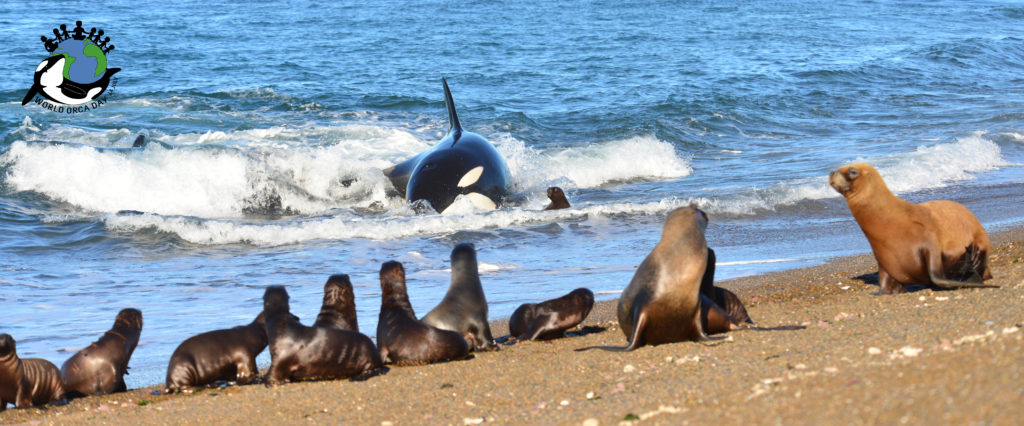
Punta Norte Orca Research is a non-profit organisation which conducted fundraising and then installed a fence. This fence is designed to protect large areas of coastline alongside the public road at Punta Norte. Now it helps to protect the extremely sensitive sealion colonies and as a result also the orca and other wildlife. The whole peninsular is a UNESCO site, but this specific orca conservation project was done through the research organisation and they also keep it going by maintaining the fence and signs.
 CANADA
June 2019. The “Ending the Captivity of Whales and Dolphins Act” is a Canadian Federal Law which bans the captivity of orca and other cetaceans. It was passed due to strong public opinion which recognises that these animals do not thrive in captivity.
May 2020. Increased protection for the habitat and the orca. The Federal Government has imposed restrictions on fishing, boating and other aspects, all to help the orca.
June 2020. Increased protection of salmon as the key food source for the Southern Resident ecotype orca. The Federal Government has increased protection for Chinook Salmon.
 CANADA & USA
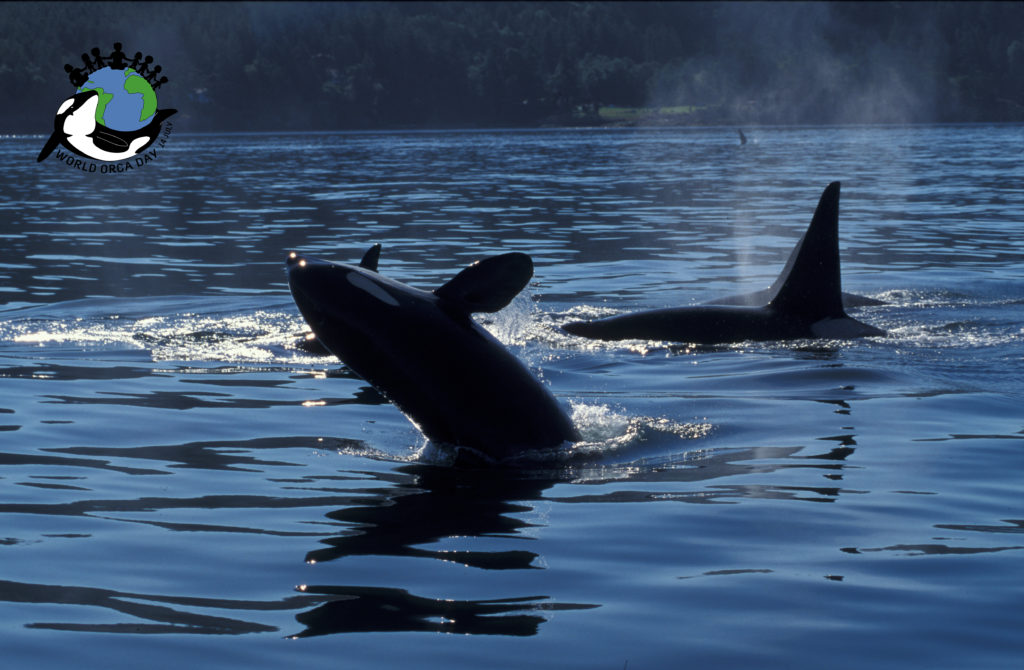
2002 to today. The rescue of ‘Springer’ the orca (A73). Springer was found emaciated and alone, she was then rescued and rehabilitated in a seapen. Finally, she was released to join her extended family and has since had two calves. She still remains in the wild with her family.
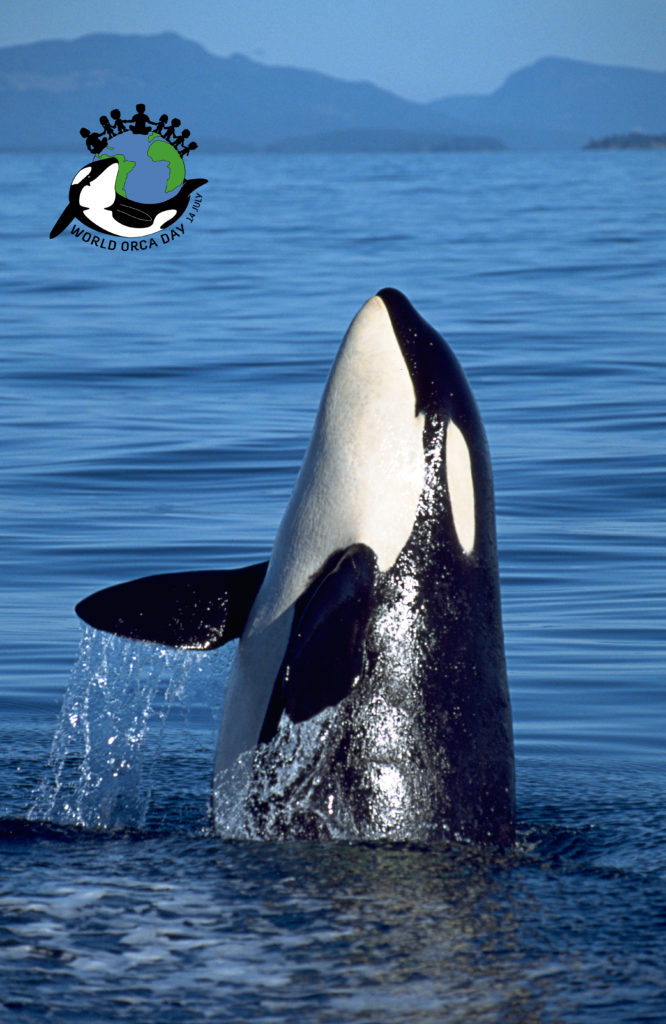

The New Zealand orca were originally designated as ‘common’, but the longest-running research project in the Southern Hemisphere, the Orca Research Trust, has shown that these orca are ‘nationally critical’ (the equivalent of ‘endangered’) and are comprised of a unique Coastal ecotype that hunts for rays. There are additional populations of orca around the New Zealand coast, such as the Pelagic ecotype which is typically found further offshore.

The Iberian orca are Europe’s most endangered population of orca. The Iberian Orca Guardians, along with the Save the Iberian Orca campaign which also includes WeWhale and Sea Shepherd France, conducts daily field trips to study and protect these orca. Known around the world as the orca who interact with sail boats and sometimes break their rudders, these orca face many challenges, including being attacked by underwater bombs. The Save the Iberian Orca campaign strives to improve education about these orca, guide boats safely through the orca hot spots and helps to protect this unique population.